


The Unseen Legacy of the Black American: A Journey Through Struggle, Resilience, and Impact

The world’s fascination with the lives and actions of Black Americans often feels relentless. No matter where they go or what they do, their presence commands attention, sometimes scrutiny, and often misunderstanding. Yet, the story of Black Americans is one of profound contribution, creativity, and resilience. From the earliest days before the Mayflower to the present, Black Americans have shaped every corner of society—science, music, culture, politics, and beyond. Their legacy is a gift to humanity, born from a history marked by both unimaginable hardship and extraordinary triumph.

The Roots Before the Mayflower
Long before the Mayflower landed in 1620, African people had already made their mark on the Americas. Some historians suggest that Africans arrived in the New World earlier than commonly believed, contributing to early settlements and cultures. However, the dominant narrative often begins with the forced arrival of enslaved Africans in the early 1600s. These men, women, and children were torn from their homelands and thrust into brutal conditions, stripped of freedom and identity.
Despite this, Black Americans laid the foundation of what would become the United States. Their labor built the economy, especially in agriculture and infrastructure. The wealth of many early American families and the nation itself was tied directly to the forced work of Black people. This history is often overlooked or minimized, but it is crucial to understanding the full story of America.
The Theft of Labor, Land, and Inventions
The story of Black Americans is also a story of theft—of labor, land, and intellectual property. Enslaved people were denied ownership of their own work and creations. Many inventions and innovations by Black Americans were stolen or uncredited. For example, Garrett Morgan invented the traffic signal and gas mask, but his contributions were often overshadowed. Similarly, Madam C.J. Walker became one of the first self-made female millionaires in America through her hair care products, yet her success was an exception in a system designed to suppress Black wealth.
Land was also taken through discriminatory laws and violence. After emancipation, Black families who had begun to acquire land were often forced off it through intimidation or legal manipulation. This systemic theft has had lasting effects on wealth accumulation and social mobility for Black Americans.
Enduring Horrors and Unyielding Spirit
The horrors faced by Black Americans are well documented: slavery, segregation, lynching, systemic racism, and ongoing discrimination. These experiences have left deep scars, yet Black Americans have continually found ways to rise. The civil rights movement, led by figures like Martin Luther King Jr., Rosa Parks, and countless others, challenged injustice and reshaped society.
Black Americans have shown remarkable resilience by building strong communities, creating powerful art and music, and excelling in fields from science to sports. Jazz, blues, hip-hop, and soul music all trace their roots to Black creativity and expression. In science, individuals like George Washington Carver and Dr. Charles Drew made groundbreaking contributions despite facing racial barriers.

The World’s Debt and Need for Appreciation
The world owes a profound debt to Black Americans. Their struggles have not only shaped American society but have enriched global culture and knowledge. Yet, appreciation often falls short. Recognizing Black Americans for their full humanity and contributions means confronting uncomfortable truths about history and present inequalities.
Appreciation can take many forms:
Education: Teaching accurate history that includes Black Americans’ contributions and struggles.
Economic support: Investing in Black-owned businesses and communities.
Representation: Ensuring Black voices are heard in media, politics, and leadership.
Justice reform: Addressing systemic racism in law enforcement and the legal system.
These steps help repair the damage caused by centuries of mistreatment and neglect.
How the World Can Make Amends
Making up for the mistreatment of Black Americans requires more than words. It demands action and commitment. Some ways the world can begin to make amends include:
Reparations: Financial compensation or investments to address economic disparities caused by slavery and discrimination.
Policy changes: Laws that promote equity in education, housing, and employment.
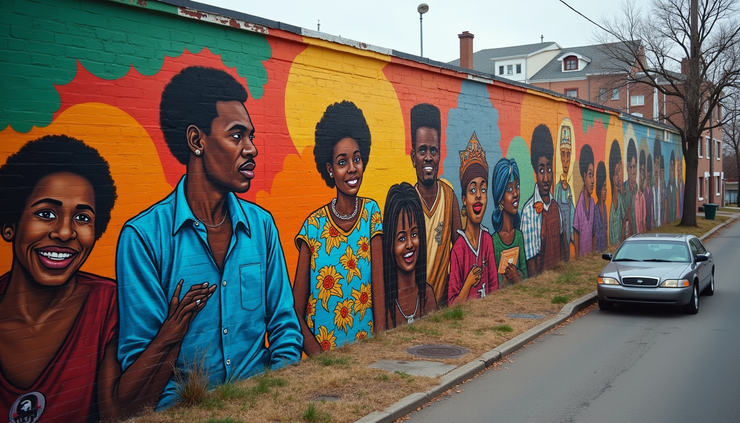
Cultural recognition: Celebrating Black history and achievements in public spaces, museums, and media.
Community support: Programs that empower Black youth and provide opportunities for advancement.
These efforts acknowledge the past while building a more just future.
Why Respecting Black Americans Matters
Respecting Black Americans is not just about fairness; it is about recognizing the essential role they play in humanity’s progress. Their creativity, strength, and perseverance have been a blessing to all. The world benefits from their innovations, culture, and leadership every day.
Respect leads to:
Stronger communities: Inclusion fosters unity and shared growth.
Greater innovation: Diverse perspectives drive new ideas and solutions.
Healing and reconciliation: Acknowledging past wrongs helps society move forward.
The legacy of Black Americans is a powerful reminder that resilience in the face of adversity can transform lives and societies. Honoring this legacy means embracing truth, justice, and gratitude.

Sengbe Ben Yosef


Comments